
I've been following the Lindsay Clancy case in the US. It's obviously an incredibly difficult and sensitive case, but somehow along the way, I've found myself becoming fascinated by Clancy's defence lawyer, Kevin Reddington.
Reddington has been practising law for more than 50 years and has represented clients in some extremely high-profile cases. But watching this case, it's not really his CV that interests me. It's what happens when someone with that much experience suddenly has a huge number of people watching them do their job.
Because the people following the case aren't just hearing that Reddington is an experienced defence lawyer. They are actually watching him be one.
Because the people following the case aren't just hearing that Reddington is an experienced defence lawyer. They are actually watching him be one.
They're seeing how he handles an incredibly difficult case under intense scrutiny. How he makes an argument, what he chooses to challenge, and how he communicates something enormously complex. And, inevitably, some of the attention has turned towards Reddington himself. People want to know who he is, what other cases he's worked on, and how he's built the reputation he has.
What this means for executives
And it got me thinking about the executives we work with at Profile. I'm not about to suggest that we start following CEOs around with cameras while they work. But there is something powerful about being able to see someone's expertise rather than simply being told they have it.
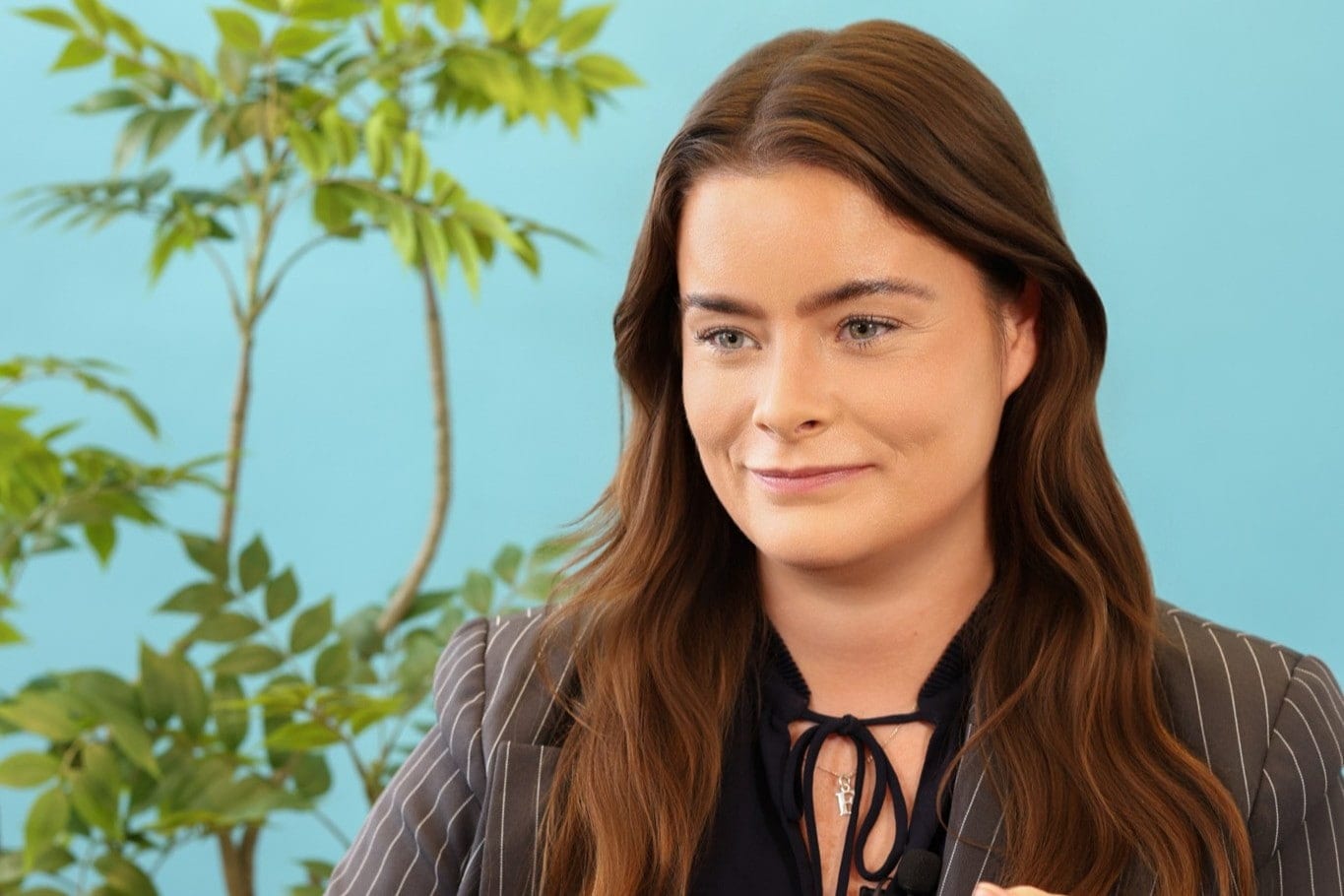
That's really what we're doing when we build someone's profile. Most of the people we work with have spent years, sometimes decades, becoming very good at what they do. They know their industry inside out, but the problem is that outside of their immediate professional circle, very few people get to see that. We call these people hidden experts. They already have the expertise; our job is to make sure the right people actually know about it.
They know their industry inside out, but the problem is that outside of their immediate professional circle, very few people get to see that.
Getting ideas in front of the right people
The first part is working out what someone should actually be known for. From there, it's about finding different ways to get those ideas out of their head and in front of the right people. That might be through a comment, an op-ed, social content, or a speaking opportunity. Video is a big part of that too, because sometimes hearing someone talk through an idea tells you far more about them than a well-written paragraph ever could.
Some of the best moments we've captured with clients haven't come from a perfectly polished answer to camera. They've come from asking another follow-up question, going slightly off script and landing on something they clearly know a huge amount about or genuinely care about.
Not turning executives into influencers
But none of this is about turning executives into influencers. That's absolutely not what we'd even attempt or want to do.
You don't need to tell people someone is an expert if they've had enough opportunities to see it for themselves.
An influencer's profile is, in many ways, the product. For the people we work with, it needs to serve the work they're already doing. If someone searches their name, sees a quote from them, comes across their LinkedIn, or is considering working for their business, there needs to be something behind it. The goal is that they should come away with a better sense of what that person knows and why they're worth listening to.
Letting people see how someone thinks
Reddington is in an unusual position because people can literally watch him practise the thing he's spent more than 50 years becoming good at. Most executives will never have that kind of window into their working lives. And to be fair, most probably wouldn't want one.
But good thought leadership can give people a glimpse of the same kind of thing. Not by showing them someone doing their job, but by letting them see how that person thinks, what they know and what they have to say. You don't need to tell people someone is an expert if you have communicated it in enough opportunities to see it for themselves. That's the kind of visibility I'm interested in building.
Keep reading. It's free
Drop your email to keep reading and unlock every issue of the archive. One click to unsubscribe.
Soft gate. The full text stays on the page for search and AI, and the prompt is for capture, not a wall.