


Latest issue, 19 Aug 2026
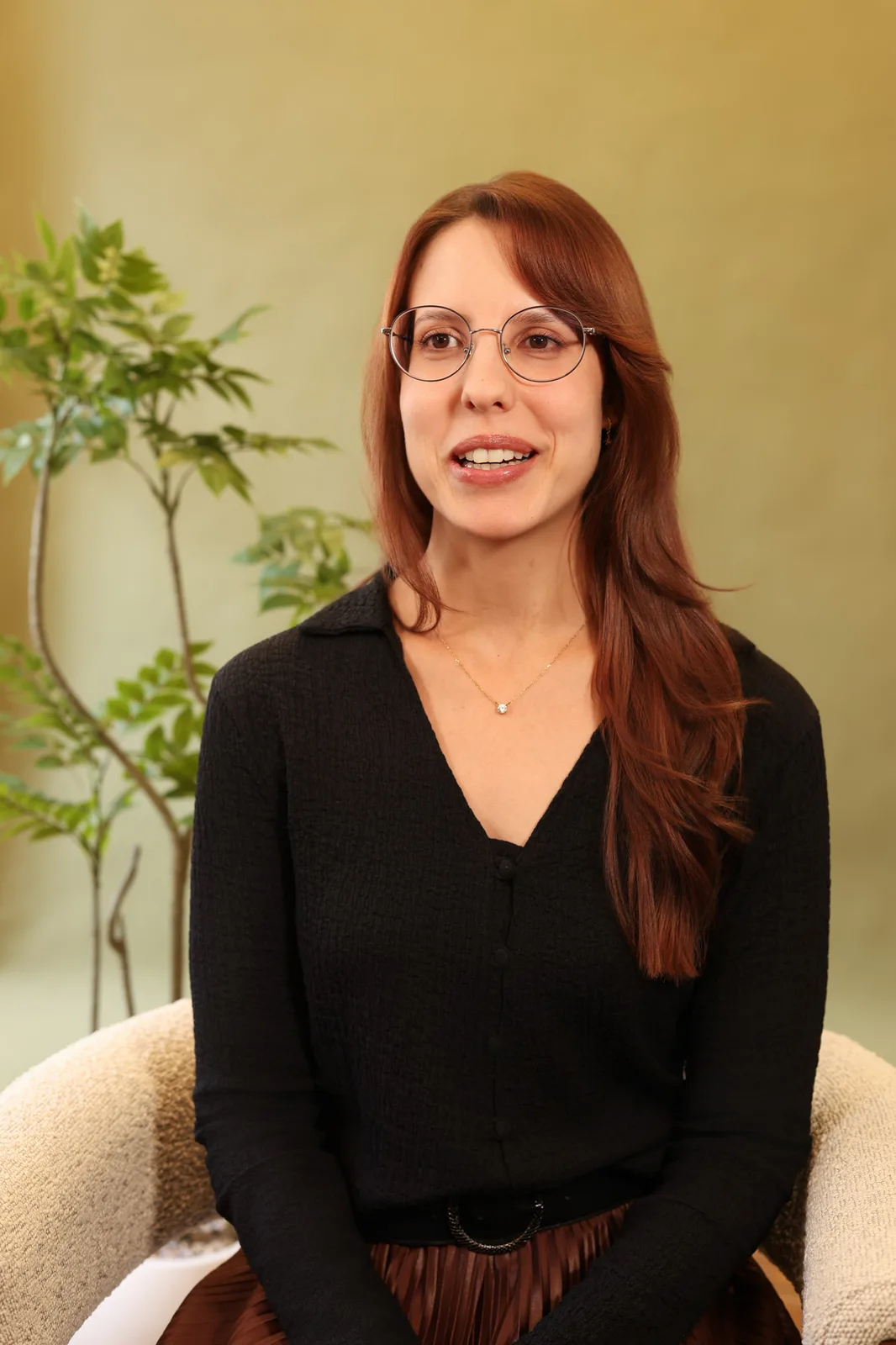
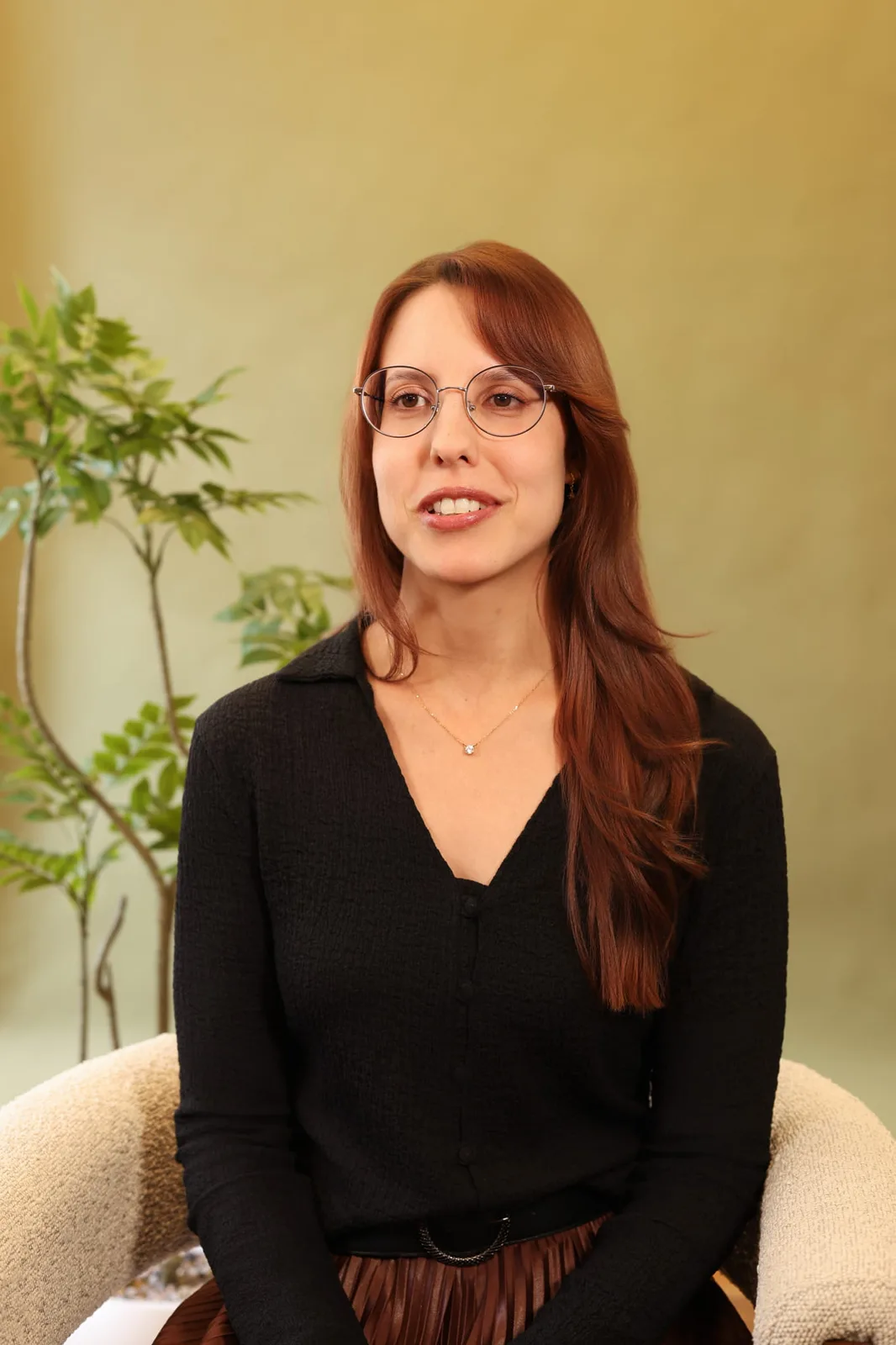
Kiara Cleland
Head of Content, Profile, London
Leads owned content, setting the strategy for turning experts' insights into long- and short-form content people actually read.
Roughly monthly. Unsubscribe any time.
What Kiara writes about
Kiara Cleland writes about owned content: what makes an executive worth reading on LinkedIn, in a newsletter or on the company blog, and why the flood of AI-written posts has made a distinct voice the only thing that still cuts through. She covers ghostwriting, newsletter strategy, editorial voice and what thought leaders can learn from influencers.
Kiara's newsletter, The Voice Note, comes out roughly monthly, notes on turning expertise into a newsletter worth reading. The latest issue is "Thought leaders can learn a lot from influencers".
Head of Content at Profile, leading the team that turns clients' expertise into newsletters, articles and LinkedIn posts.
Video
Newsletters
Media reaction
On AI slop
"As the volume of AI-generated content on websites and social platforms expands, readers have wised up and stopped reading. With LinkedIn and Substack both now offering slop-detection features, it's more important than ever that thought leaders write in their voice, and not a machine's."
 Kiara Cleland, Head of Content, Profile6 Aug 2026
1 of 3
Most asked
Who is Kiara Cleland?
Kiara Cleland is Head of Content at Profile, the world's leading thought leadership agency. She has built the online presence of high-profile experts and HNWIs across healthcare, sustainability, agriculture, and technology, distilling industry expertise into impactful content that supports their thought leadership campaigns.
What makes a newsletter people actually open?
People open newsletters because they're valuable. A clear voice and genuine point of view, backed by real experiences and insights only you can share, mean people always gain something from your newsletter. This, and the sense that there's a real person with something worth saying behind it, keeps readers coming back.
How do you turn a client's expertise into a newsletter?
It starts with a conversation to get a clear idea of who the client is, how they sound, what they're interested in and what they actually want to say. From there, the job is translating their expertise into digestible, relevant content that lands with readers and makes the newsletter worth their time.
How much of your work is reactive?
The best thought leadership is proactive, with room to be reactive. We build a long-term content strategy so that when a news moment hits, we can rework an issue to react while the moment is still hot. around a leader's expertise and adapt it to industry activity. That's how you build trust and authority, by having a point of view at the right moment.
Why do you argue most B2B firms get editorial voice wrong?
Most B2B brands equate sounding professional with sounding credible. But safe, generic messaging won't help you stand out. The strongest brands aren't afraid to stand behind a clear point of view and an authentic human voice. That's how you build trust, earn attention and make people remember you.
Contact for media
Reach Kiara directly for comment, background or an interview, on deadline or ahead of one.
Straight to the Profile press team.